
Ever asked yourself whether the machine is built to keep you playing longer than you planned. You have, right there in the back of your mind while the reels spin. That nagging feeling is exactly why responsible design pokies awareness AUD matters to anyone putting cash on the line. The short answer is that good design respects your wallet and your time, not just your attention span.
You probably think the bells and lights are sskfhospital.com purely decorative. They are not. Every frame rate, every near-miss sound and every payout animation is tuned to a mathematical model that decides how often you feel like you almost won. As a slot mathematician who has consulted on game builds, I treat that model like a bridge designer treats load limits. Cross it too often and the structure starts to creak.
The weekend social player who treats a session as entertainment spend is the right audience for this conversation. You are not chasing a living wage from a screen in your pyjamas. You are down at the local hotel on a Friday night, or logged in from the couch after a long week, and you want the fun without the fallout. Let’s talk about how the design actually works, and what you can do with that knowledge.
What the maths actually says
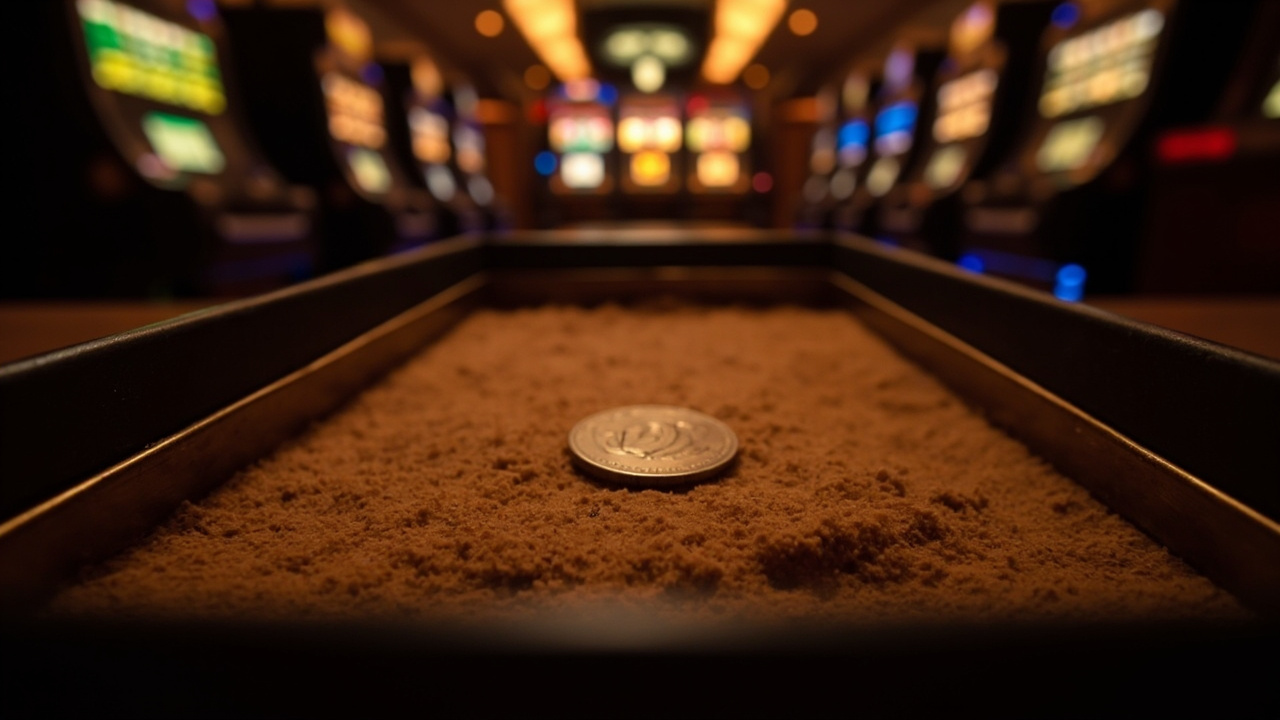
A pokies game is just a probability engine wearing a costume. The return to player percentage is set long before you touch the machine, and every spin is independent of the last one. I judge a well-built game by whether its volatility matches the session length a casual player actually wants. A high-volatility title that pays out rarely but big is a different beast from a low-volatility one that drips small wins to keep the balance steady.
You can spot the difference by watching how often the base game pays anything at all. Say you deposit fifty dollars and the game returns a win on roughly three spins out of ten at low volatility. That same fifty dollars on a high-volatility title might give you a long dry stretch before anything meaningful lands. Neither is rigged, but one will feel like a grind if you expected frequent feedback.
The reels you see on screen are often just a visual layer on top of a random number generator. The symbols might line up in a way that looks tantalisingly close to a win, but the maths behind the curtain already decided the outcome. That is why I always tell clients that art direction without probability discipline is just a pretty coat on a leaky bucket.
Where the pub machine and the online screen diverge
Down at the local RSL or hotel, the pokies sit in a room with a barman, a footy on the TV and mates at the next stool. That physical context changes how you play, because you are reading the room as much as the screen. Online, the same game lives in a browser tab with no barman telling you to take a break and no one noticing when you have been there three hours.
Pub machines often feel slower because the physical coin mechanism and the printout slip force a pace. Online play removes those friction points, which is handy until it is not. The design challenge for any operator worth their salt is to rebuild some of that natural pacing into the digital interface without making it feel clunky.
You can find a local hotel with a row of machines that have been there since the nineties, their cabinets scratched and the carpet worn bald around the stools. That kind of machine has a personality you do not get from a fresh online title, but it also has older maths that may not suit a short entertainment session. Knowing which environment you are in helps you choose the right expectation for the night.
The myth about near misses and why it is wrong
A common misconception is that a near miss means the machine is about to pay out. The reality is more nuanced and a good deal less comforting. A near miss is just a combination that falls short of a winning line, and on a properly functioning machine it carries no more promise than any other losing spin.
I have seen game builds where the visual near miss is deliberately placed to happen more often than a true random near miss would, because it keeps the player engaged. That is a design choice, not a signal from the machine that your luck is turning. Treat it as a piece of showmanship and nothing more.
Abigail Baker, Board Member, Laneway Interactive Media, puts it plainly when she talks about how presentation shapes expectation. She has noted that players read a near miss as a hint from the game, when in fact it is just the art team doing their job. If you understand that split between the visual story and the underlying probability, you stop reading meaning into a losing screen.
How to set your own limits before the first spin
The single most effective thing you can do is decide your loss limit and your time limit before you log in or walk into the hotel. Write the numbers down somewhere you can see them, because memory gets soft after a few drinks and a handful of spins. A fifty-dollar session with a two-hour cap is a sensible starting point for a weekend social player, and you can adjust it upward or downward once you know your own rhythm.
Use the responsible gambling tools built into most online platforms, because they are there for exactly this reason. Set a deposit cap, a loss limit and a session timer if the platform offers them, and do it while you are calm and not mid-session. Those tools work best when you set them in advance rather than trying to enforce a limit from memory while the reels are turning.
If you want to see how a site structures its active promos, the uptown pokies no deposit in active promos page at https://georgetowngalleries.com/ shows how a venue can frame bonuses without hiding the terms. Read the terms on any bonus before you touch it, because a play-through requirement can quietly stretch a session well past your original plan. A neighbour site like https://gambleonlineaustralia.com covers the broader local scene if you want to compare how different operators present their limits.
Reading the volatility and the RTP without the jargon
Return to player is the long-run percentage a game is built to pay back over millions of spins, and it is not a promise about your single session. A game with a ninety-six per cent RTP will still produce losing sessions, winning sessions and everything in between over the course of an evening. I use RTP as a way to compare games against each other, not as a predictor of what happens when you sit down with twenty dollars in your pocket.
Volatility tells you how bumpy the ride is likely to be. Low volatility means smaller wins more often, which suits a player who wants the game to keep moving without big swings. High volatility means longer waits between meaningful payouts, which suits a player who does not mind a dry stretch in exchange for the chance of a larger hit.
You can test a game’s feel by playing a few minutes with the smallest bet and watching how often the balance ticks up or down. If you are seeing almost nothing for twenty minutes on a low bet, that is useful information about whether the title suits your style. No need to chase it harder, because the maths does not care how urgently you want it to turn.
Why AUD pricing and local context change the feel
Playing in Australian dollars changes how you think about each spin, because the numbers on the screen map directly to the coins in your pocket. A one-dollar spin feels trivial until you have done it four hundred times and realise you have burned through a night out’s worth of entertainment spend. I always frame the cost in terms of what else that money could buy locally, because that comparison keeps the session honest.
Melbourne weather and Melbourne habits shape how people play too. A wet Saturday afternoon sends a crowd into the hotel pokies room where the machines hum and the rain hits the windows, and that atmosphere is part of the draw. The same player at home on a fine afternoon might log in for a shorter session because the options outside are better.
Pub and RSL pokies culture differs from playing online in ways that matter for your bankroll. In a hotel you are buying a room, a drink and a bit of social time as much as you are buying spins, and the machine is just one part of the bill. Online you are paying only for the game, which sounds cheaper until you forget that the absence of a barman means no one is nudging you toward the door.
A practical checklist for a night you can walk away from
Use this list as a quick scan before you start, because a few seconds of planning saves a lot of regret later. Each item is a step you can actually take, not a vague wish to play responsibly.
- Decide your loss limit in writing before you open the game or walk into the hotel, and treat that number as a hard ceiling you do not argue with once the session starts.
- Set a session timer on your phone or use the platform’s built-in timer, and stop when it goes off even if you are on a winning streak that feels like it might continue.
- Check the game’s volatility and RTP in the paytable or info screen, and pick a title whose rhythm matches a short entertainment session rather than a long grind.
- Read the terms on any bonus or promo before you claim it, because a play-through requirement can quietly extend the session and turn a fun night into a chore.
- Keep your drinks and your spins separate by pacing the alcohol, since a few too many slows the judgment you need to stick to the limits you set earlier.
- Walk away when the fun stops feeling like fun, because the design might keep offering spins but your evening has already done its job.
- Revisit your limits after a few sessions and adjust them based on what you actually spent and how you felt, not on what you hoped you would spend.
What good design looks like from the inside
A well-designed game tells you what it is up front, and it does not hide the pace behind a wall of flashing extras. The paytable is readable, the volatility is clear enough that a casual player can guess the rhythm, and the bonus features do not require a maths degree to follow. I judge a title by whether I could explain its feel to a friend in two sentences without lying.
The best games also give you an off-ramp that feels natural, not punitive. A session that ends because you hit your own limit is a better ending than one that ends because you ran out of cash and the machine kept calling you back. Design that respects that boundary is the kind I am willing to put my name on as a consultant.
Abigail Baker has written that the industry needs more transparency about how a game is built to feel, not just how it pays. She argues that when players understand the design intent, they make better choices about when to stay and when to walk. That is the kind of awareness worth building into any session, online or in the pub.